GLOS - The Great Lakes node of the national Integrated Ocean Observing System
The Great Lakes Observing System (GLOS) is an effort dedicated to providing wide internet access to real-time and historic data on the hydrology, biology, chemistry, geology and cultural resources of the Great Lakes, its interconnecting waterways and the St. Lawrence River. GLOS is a regional node of the U.S. Integrated Ocean Observing System (IOOS) initiative.Read more about GLOS
Featured Products
Huron-Erie Corridor Nowcast/Forecast View real-time and forecasted waterways data, including water levels and surface water speed.
New and Improved!Observations Explorer
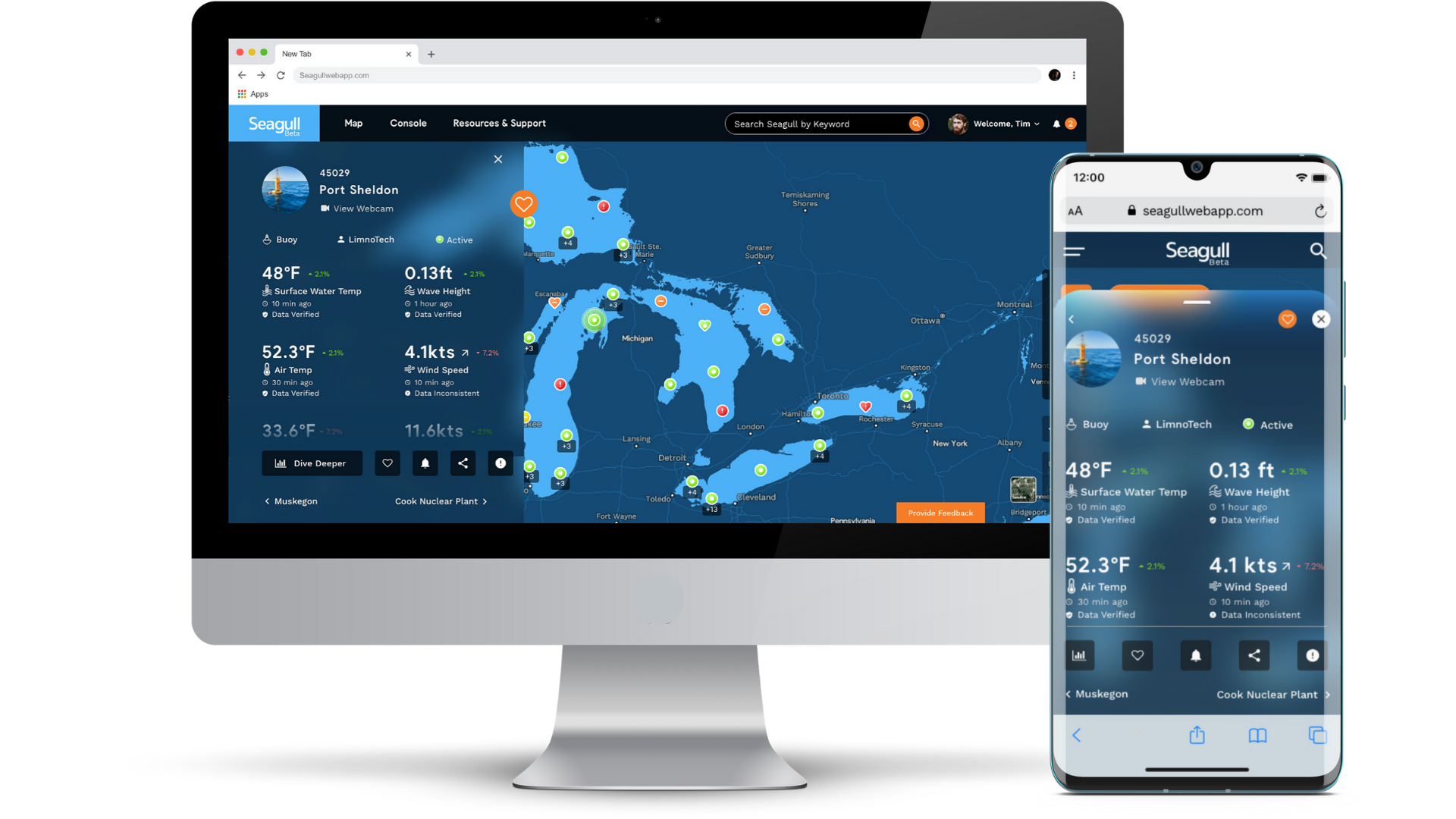
View real-time and historic data and receive updates from the station or buoy of your choice. Check out the Record of the Day! This new explorer uses an improved, IOOS-compliant framework.
Of interest:
Job Posting: Technical and Outreach Specialist
The Great Lakes Observing System (GLOS) is searching for an outgoing, networkâoriented individual to serve as a Technical and Outreach Specialist, working out of our offices in Ann Arbor, MI. Deadline: September 10, 2010
(posted 08/12/2010)
Video: Launching a new Michigan Tech Lake Superior Buoy
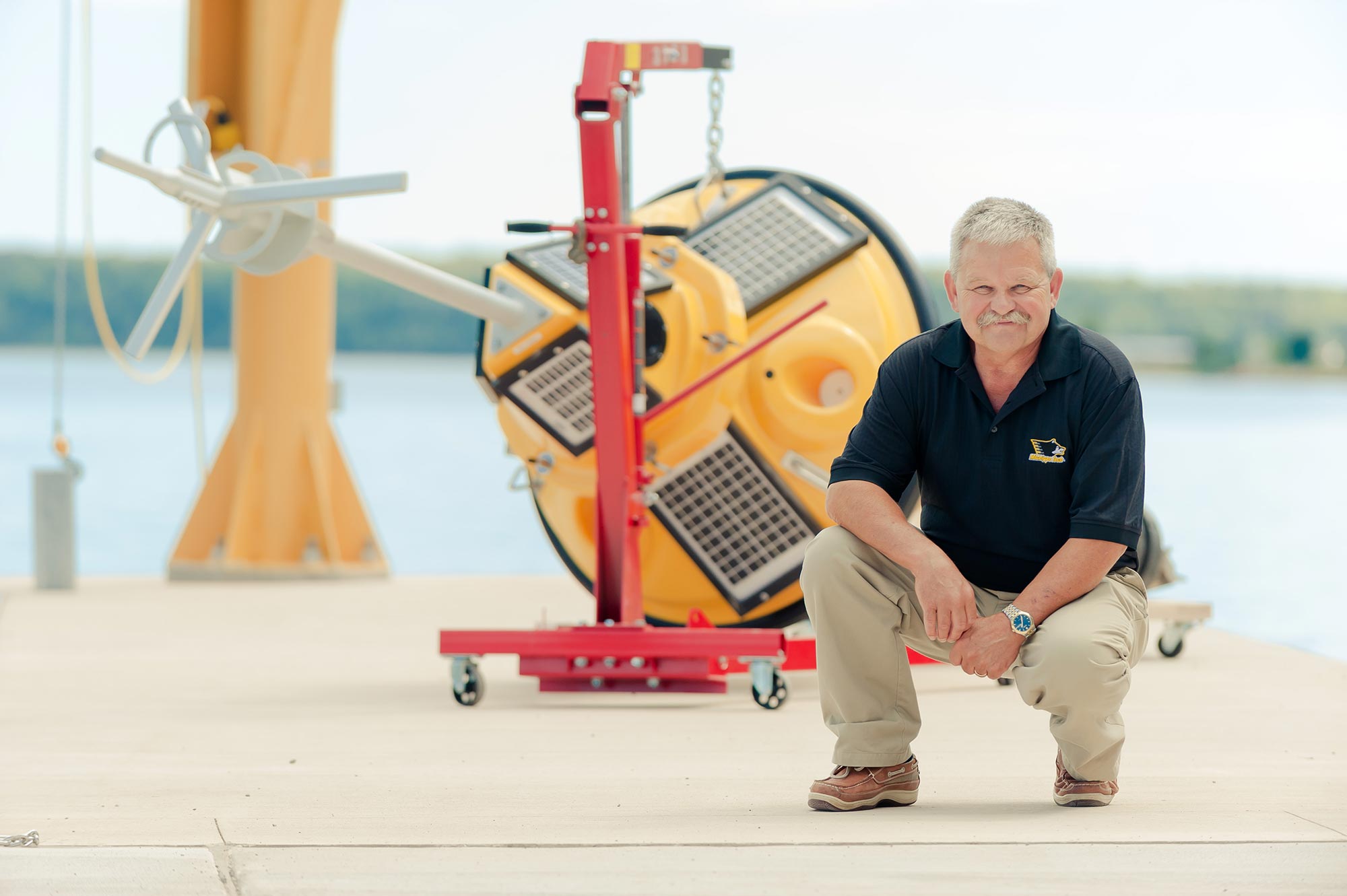
The new buoy that was launched on Friday July 9 is the first of three coastal monitoring buoys that will be deployed by Michigan Tech in an effort to collect data on weather, surface and subsurface water temperature, wind speed and direction, wave height and air temperature in the Great Lakes.
(posted 07/27/2010)
Coastal Monitoring Buoy Comes to Lake Superior
A collaborative research team from Michigan Tech is taking a $1.4 million grant to the waters of Lake Superior. Friday morning, the first of three coastal monitoring buoys was towed out to its summer location about two miles north of the Keweenaw Waterway entry. The 600-pound buoy was developed at the University of Michigan and is a part of the Great Lakes observing system. It will be used to measure about 20 variables above and below the water including weather conditions and surface temperature.
(posted 07/15/2010)
Where the Buoys Will Be
The first of three coastal monitoring buoys travelled from Ann Arbor to Houghton late last week. After spending an afternoon hunkered down on a walkway in front of the Dow Environmental Sciences and Engineering Building, the new buoy was towed to its data-collecting location two miles northeast of the North Entry of the Portage Canal. The buoys are being deployed by Michigan Tech to collect data on weather, surface and subsurface water temperature, wind speed and direction, wave height and air temperature in the Great Lakes. The information will enhance Great Lakes weather forecasting and help scientists study global climate change.
(posted 07/12/2010)
Lake Superior Forecast: Warm Water
Duluth, Minn. - Researchers at the Large Lakes Observatory (LLO) of the University of Minnesota Duluth predict that the surface of the open waters of Lake Superior will be exceptionally warm this summer. They suspect that water temperatures may exceed the high recorded during the strong El Nino summer of 1998, 68 degrees Fahrenheit (20 degrees Celsius). The average water temperature of Lake Superior surface waters in August is about 59 degrees Fahrenheit (15 degrees Celsius). (It is already about 59 degrees at the NOAA Western Lake Superior buoy.)
(posted 07/12/2010)
June 29-30 Workshop: Developing a Data Blueprint for Decision-Making
Bringing researchers and resource managers together to identify data needs for making informed decisions. How can we improve the collection, management, integration and exchange of data so that it is more accessible and meets the needs of resource managers and decision-makers in the Great Lakes? GLOS is hosting a meeting for observers, modelers, researchers, data managers, resource managers and decision-makers to begin a dialogue about Great Lakes information needs. These needs can include data gaps, integration issues, modeling or data delivery needs. During this meeting we will hear presentations on data needs and existing capabilities, and hold breakout sessions to develop strategies to meet those needs.
(posted 05/24/2010)
Subscribe to the GLOS-Announce RSS feed
Job Posting: Technical and Outreach Specialist
The Great Lakes Observing System (GLOS) is searching for an outgoing, networkâoriented individual to serve as a Technical and Outreach Specialist, working out of our offices in Ann Arbor, MI. Deadline: September 10, 2010
(posted 08/12/2010)
Video: Launching a new Michigan Tech Lake Superior Buoy
The new buoy that was launched on Friday July 9 is the first of three coastal monitoring buoys that will be deployed by Michigan Tech in an effort to collect data on weather, surface and subsurface water temperature, wind speed and direction, wave height and air temperature in the Great Lakes.
(posted 07/27/2010)
Coastal Monitoring Buoy Comes to Lake Superior
A collaborative research team from Michigan Tech is taking a $1.4 million grant to the waters of Lake Superior. Friday morning, the first of three coastal monitoring buoys was towed out to its summer location about two miles north of the Keweenaw Waterway entry. The 600-pound buoy was developed at the University of Michigan and is a part of the Great Lakes observing system. It will be used to measure about 20 variables above and below the water including weather conditions and surface temperature.
(posted 07/15/2010)
Where the Buoys Will Be
The first of three coastal monitoring buoys travelled from Ann Arbor to Houghton late last week. After spending an afternoon hunkered down on a walkway in front of the Dow Environmental Sciences and Engineering Building, the new buoy was towed to its data-collecting location two miles northeast of the North Entry of the Portage Canal. The buoys are being deployed by Michigan Tech to collect data on weather, surface and subsurface water temperature, wind speed and direction, wave height and air temperature in the Great Lakes. The information will enhance Great Lakes weather forecasting and help scientists study global climate change.
(posted 07/12/2010)
Lake Superior Forecast: Warm Water
Duluth, Minn. - Researchers at the Large Lakes Observatory (LLO) of the University of Minnesota Duluth predict that the surface of the open waters of Lake Superior will be exceptionally warm this summer. They suspect that water temperatures may exceed the high recorded during the strong El Nino summer of 1998, 68 degrees Fahrenheit (20 degrees Celsius). The average water temperature of Lake Superior surface waters in August is about 59 degrees Fahrenheit (15 degrees Celsius). (It is already about 59 degrees at the NOAA Western Lake Superior buoy.)
(posted 07/12/2010)
June 29-30 Workshop: Developing a Data Blueprint for Decision-Making
Bringing researchers and resource managers together to identify data needs for making informed decisions. How can we improve the collection, management, integration and exchange of data so that it is more accessible and meets the needs of resource managers and decision-makers in the Great Lakes? GLOS is hosting a meeting for observers, modelers, researchers, data managers, resource managers and decision-makers to begin a dialogue about Great Lakes information needs. These needs can include data gaps, integration issues, modeling or data delivery needs. During this meeting we will hear presentations on data needs and existing capabilities, and hold breakout sessions to develop strategies to meet those needs.
(posted 05/24/2010)
Subscribe to the GLOS-Announce RSS feed
Funding for this initiative is through the NOAA Coastal Services Center.